

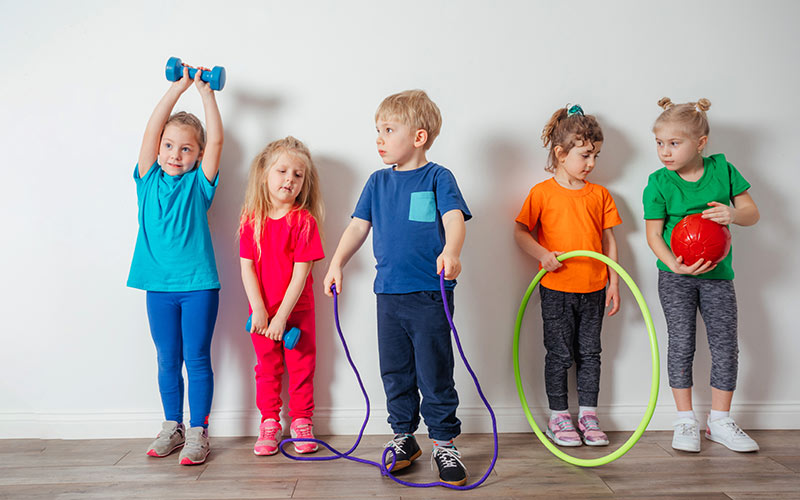
Children with Attention-Deficit/Hyperactivity Disorder (ADHD) often experience difficulties with attention, impulse control, working memory, and emotional regulation. While academic interventions and behavioral supports are important, a growing body of research shows that physical activity plays a critical role in improving learning ability and cognitive function in children with ADHD.
Movement is not a distraction for children with ADHD. For many, it is a neurological support that enhances how the brain processes information.
ADHD, Brain Function, and Learning
ADHD is associated with differences in brain networks responsible for executive function, attention regulation, and motivation. Research shows that children with ADHD often have lower baseline activity in brain regions related to attention and self-regulation, particularly in the prefrontal cortex.
Physical activity increases blood flow, oxygen delivery, and neural activation in these regions, helping the brain enter a state that is more receptive to learning.
Research and Statistics: What the Evidence Shows
Physical Activity Improves Attention and Focus
Multiple systematic reviews and meta-analyses demonstrate that physical activity has a measurable positive impact on attention in children with ADHD.
A meta-analysis published in Neuroscience & Biobehavioral Reviews found that physical activity interventions led to moderate improvements in attention and inhibitory control in children with ADHD.
Studies show that even short bouts of exercise (10–20 minutes) can significantly improve attention and on-task behavior immediately after activity.
These findings suggest that movement before academic tasks can improve a child’s readiness to learn.
Executive Function and Cognitive Performance
Executive functions include working memory, cognitive flexibility, and self-control—skills essential for academic success.
Research published in Journal of Attention Disorders found that children with ADHD who participated in regular physical activity showed significant improvements in working memory and cognitive flexibility, with effect sizes ranging from moderate to large.
A large review of randomized controlled trials reported that structured physical activity programs improved executive functioning more consistently than sedentary interventions.
Executive function improvements directly support skills such as reading comprehension, math problem-solving, and following multi-step instructions.
Neurochemical Effects of Exercise
Exercise increases the availability of dopamine and norepinephrine in the brain. These neurotransmitters are essential for attention, motivation, and learning and are the same systems targeted by many ADHD medications.
Research indicates that physical activity can temporarily enhance neurotransmitter regulation, helping children with ADHD maintain focus and reduce impulsivity during learning tasks.
Emotional Regulation and Behavioral Outcomes
Children with ADHD often struggle with emotional regulation, frustration tolerance, and stress related to academic performance.
Studies show that regular physical activity is associated with lower levels of anxiety, improved mood regulation, and reduced behavioral challenges in children with ADHD.
Physical activity has also been linked to improved self-esteem and confidence, which positively influence learning engagement.
When emotional regulation improves, children are better able to participate in academic activities and persist through challenges.
Types of Physical Activity That Support Learning
Research suggests that the most effective activities for children with ADHD include:
Aerobic exercise such as running, swimming, cycling, or brisk walking
Structured activities like martial arts, gymnastics, or team sports
Cognitively engaging movement that combines physical activity with decision-making or coordination
Outdoor play, which has been associated with additional benefits for attention regulation
Consistency is more important than intensity. Regular, moderate activity produces stronger and more lasting cognitive benefits than occasional intense exercise.
Using Physical Activity to Support Learning
At Home
Physical activity is most effective when scheduled before learning tasks. Short movement breaks every 20–30 minutes during homework or tutoring sessions can help maintain attention and reduce mental fatigue.
In Educational and Tutoring Settings
Incorporating brief movement breaks, flexible seating, and hands-on activities supports sustained engagement. Movement should be viewed as part of the learning process rather than a reward for completing work.
A Neurodiversity-Affirming Approach
ADHD is not a lack of ability but a difference in how the brain processes information. Physical activity supports learning by working with the ADHD nervous system rather than suppressing it.
When movement is integrated into daily routines, children with ADHD are more likely to remain engaged, regulate emotions, and experience academic success.
Conclusion
Scientific evidence strongly supports the role of physical activity in improving learning ability in children with ADHD. Research shows that movement enhances attention, executive function, memory, and emotional regulation—all essential components of academic success.
Incorporating regular physical activity into a child’s daily routine is a practical, accessible, and evidence-based strategy that supports both learning and overall well-being.
Ready to start learning?
Join 5,000+ families already transforming their education. Your first consultation is completely free.